


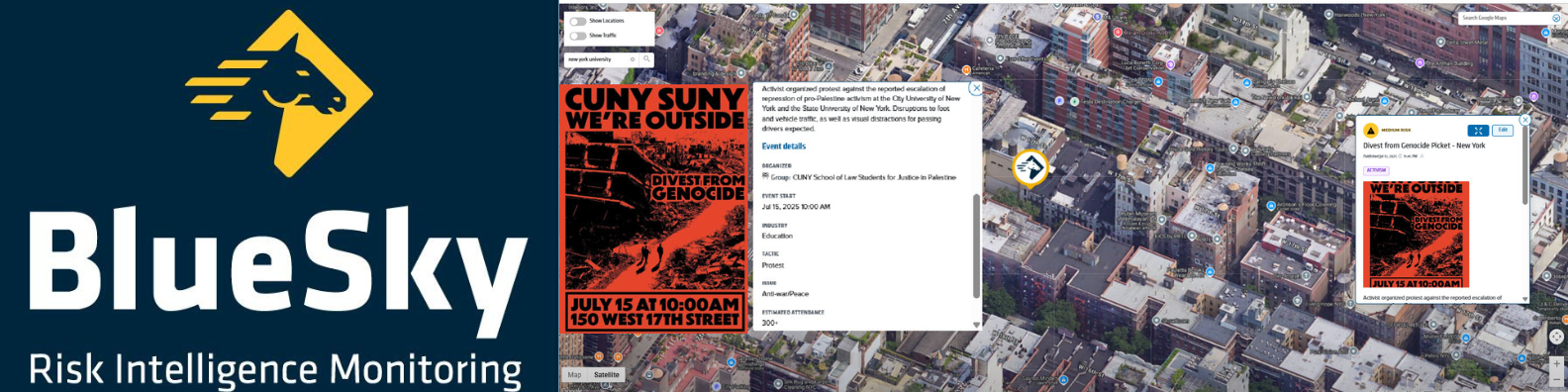


Across the United States, college and university campuses are once again becoming focal points of political and social activism. As the 2025–2026 academic year unfolds, higher education institutions are facing a complex landscape of issue-driven demonstrations, debates around free speech and safety, and evolving expectations from students, faculty, and public officials. These trends reflect both long-standing traditions of student engagement and new pressures tied to national policy debates and global events.
A New Wave of Campus Protest Activity
U.S. campuses have a long history of student activism, from the Free Speech Movement of the 1960s to antiwar protests and civil rights actions in later decades. Today, this tradition continues, but with renewed intensity around several intertwined issues.
One of the most visible drivers of recent campus demonstrations has been activism connected to the ongoing Israel–Hamas conflict. Throughout 2024 and into 2025, pro-Palestinian protests, including encampments, sit-ins, and marches, appeared at dozens of universities nationwide. At multiple institutions, these demonstrations drew large numbers of students and sometimes intersected with counter-protests, leading to heightened tensions and significant administrative responses. Some campuses experienced mass arrests during protest clearances, and others navigated accusations of suppressing free expression or mishandling the situation, underscoring how contentious and politically charged these events have become. These dynamics have contributed to ongoing debates about academic freedom, free speech, and campus safety in the U.S. context.
In addition to conflict-related activism, immigration policy has been another prominent motivator for demonstrations. National protests against immigration enforcement policies have seen participation from student unions and campus groups alongside broader community movements, reflecting how local and national issues can resonate with student populations and shape university environments.
Balancing Free Speech, Safety, and Institutional Mission
The resurgence of protest activity has placed many U.S. campuses in challenging positions. Institutions must balance their legal obligations to protect freedom of expression with the need to ensure safety, maintain operations, and protect the wellbeing of students and staff. This balancing act has become increasingly difficult when protests draw in external groups, trigger law enforcement responses, or create polarized campus climates.
Administrators have responded in a variety of ways, from adjusting protest policies and engaging in dialogues with student leaders to calling in local police or implementing disciplinary actions. These responses have sometimes sparked further debate about whether institutional actions uphold or infringe upon constitutional rights for students and faculty.

Legal, Social, and Operational Considerations
Legal scrutiny has also become part of the context in which campuses operate. Federal and state authorities have at times weighed in on how universities handle protests, particularly those tied to broader political controversies. At the same time, lawsuits and free speech disputes around arrests or disciplinary actions have surfaced, prompting campuses to revisit their policies and communication strategies.
Beyond legality, there is a clear social dimension. Surveys and student sentiment data suggest that perceptions of safety and free speech vary widely across campus communities, with some students expressing concern about how protest response measures affect campus climate. These differences can affect recruitment, retention, and the overall student experience.
Preparing for a Complex Campus Landscape
For U.S. colleges and universities, the current era calls for a proactive approach to campus civic engagement. Key strategies include:
- Clear communication about policies governing demonstrations, expressive activity, and rights and responsibilities of students and staff.
- Engagement with student groups before tensions escalate, including ongoing dialogue about concerns and expectations.
- Coordination with campus safety, local law enforcement, and legal counsel to develop proportionate response plans tailored to different protest scenarios.
- Monitoring broader issue trends, including immigration debates, geopolitical conflicts, and national policy shifts, that could translate into campus activism.
- Support mechanisms for affected community members, including mental health and conflict resolution resources.
The Bigger Picture
Campus activism in the United States continues to reflect wider societal debates and divisions. While protest movements can create operational challenges, they also represent the exercise of core civic and democratic rights. Institutions that navigate these developments successfully will be those that respect lawful expression while safeguarding community wellbeing and academic continuity.
As higher education continues to grapple with these pressures, the ability to anticipate, understand, and effectively respond to campus activism will remain a critical component of institutional risk management.
Our team at BlueSky supports U.S. colleges and universities by providing intelligence-led insight that helps them anticipate, assess, and manage campus activism and related security pressures before they escalate into operational crises. We monitor emerging protest planning, narrative shifts, and online coordination tied to national policy debates, global conflicts, and domestic social issues, delivering early warning so institutions can make informed decisions around staffing, event approvals, communications, and stakeholder engagement.
As situations develop, BlueSky supplies real-time situational awareness on crowd dynamics, intent, escalation indicators, and the involvement of external actors, while also tracking online harassment, misinformation, and reputational targeting that can accompany contentious events. By correlating digital and on-the-ground signals, our analysts help campus leadership and safety teams move from reactive response to proactive risk management, supporting duty-of-care obligations, protecting campus communities, and maintaining academic continuity while respecting lawful expression.